
 Call Us
 Book a Repair
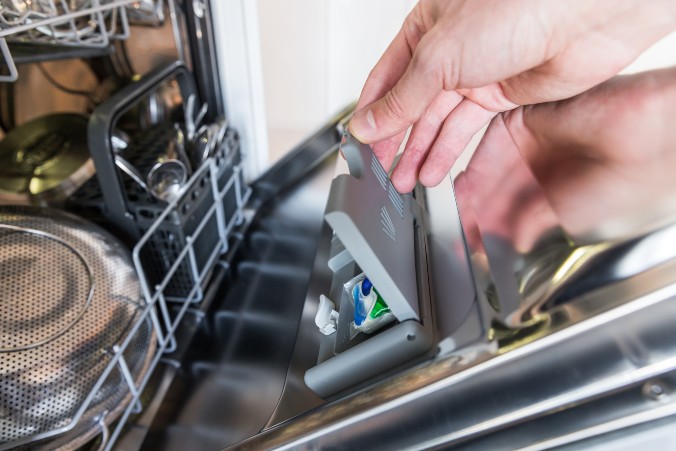

When you leave a dishwasher to fend for itself, the machine rarely stays efficient for long. Grease quickly builds up on the spray arms and limescale creeps into the heating element.
Before long, food debris clogs up the filter, and your wash cycles start leaving plates streaky or smelling faintly off.
But the good news is that most of these problems are easy to prevent. And if issues do pop up, they usually have a very straightforward fix.
Rinsing your filter regularly and descaling the machine can keep everything running efficiently. These basic habits will also prevent bad odours.
But if you live in a hard water area, you will need to pay extra attention to salt levels. And if you hear persistent grinding noises, that might signal a pump fault that goes beyond a routine clean.
Key Takeaways
- If you rinse the filter monthly and run a hot descaling cycle every few months, you will prevent the majority of common faults.
- Neglecting the spray arm nozzles or the door seals usually leads to poor cleaning, while the drain area is another common spot that causes bad odours.
- Hard water areas require you to use dishwasher salt to stop limescale from damaging the heating element.
- If your machine has persistent draining problems or makes loud grinding noises, you might be dealing with a pump fault.
- Small daily habits, such as scraping plates instead of pre-rinsing them, do much more for your appliance than occasional deep cleans.
What Maintenance Does a Dishwasher Need?
Keeping your dishwasher in good working order comes down to a short list of recurring tasks. And these core maintenance habits will make a massive difference to your machine:
- Filter rinsing: You should rinse the filter under warm water to clear away trapped food debris. This is easily the most important habit for preventing blockages.
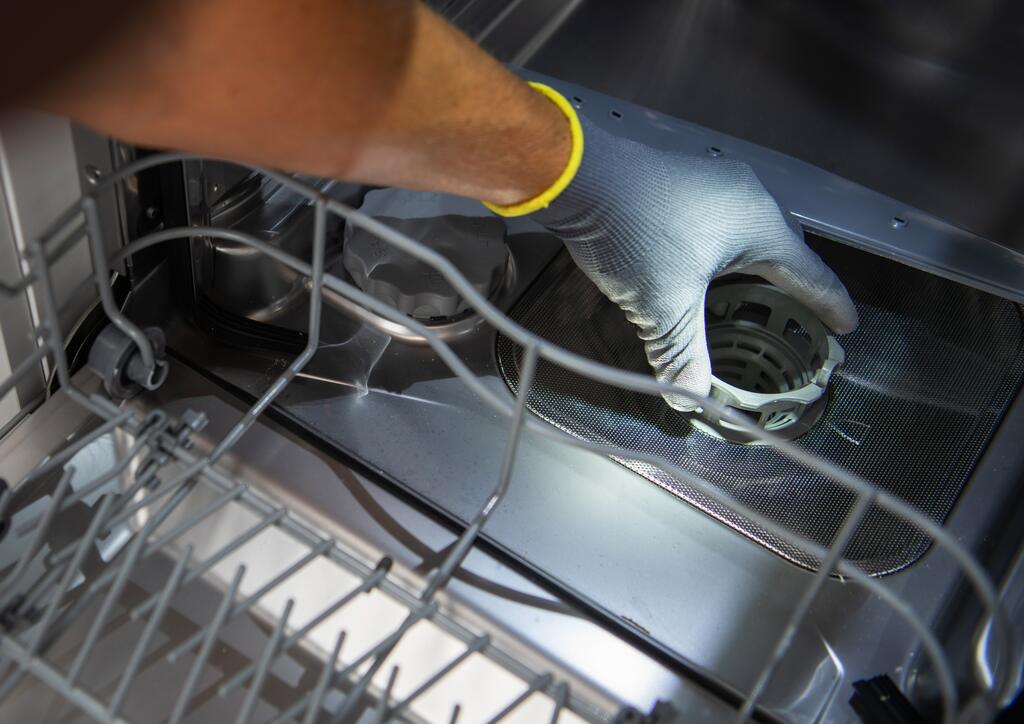
- Spray arm checks: You need to check the spray arm nozzles occasionally for clogs to make sure water circulates properly.
- Door seal wipe-down: You should wipe down the rubber door seals to stop grime from building up and causing leaks.
- Salt and rinse aid top-up: Topping up your dishwasher salt and rinse aid matters more than you might think. This is especially true for softening hard water before it leaves deposits.
But how often should you actually do this? A basic filter rinse is best done monthly. And you should run a hot maintenance cycle with white vinegar every few months to keep limescale at bay.
For a fuller breakdown of what a deep clean actually involves and how often it should be scheduled, this guide to deep cleaning your dishwasher covers the process in more depth.
The Best Way to Clean a Dishwasher Inside: Your Step-by-Step Guide
To clean the inside of your dishwasher properly, you should work through the interior step by step. You can focus on the filter, the spray arms and the door seals.
How to clean your dishwasher inside:
- First, empty the appliance completely and remove the racks. If the racks look grimy, you can soak them in hot, soapy water for 20 minutes before you scrub them.
- Next, remove the drain filter from the base of the unit. Rinse it under warm running water, and use a soft brush to clear away stubborn debris. While the filter is out, check the drain area underneath for trapped food particles.
- After that, wipe down the interior walls and the rubber gasket with a damp cloth to lift away mold and grease.
- Detach the spray arms by twisting the central nut or releasing the clips, and use a toothpick to clear any blocked nozzles.
- Once you reassemble the parts, place a dishwasher-safe cup of white vinegar on the top rack. Then, run a hot cycle to tackle internal grease.
- Finally, you can sprinkle a cup of baking soda across the base and run a short hot wash for a fresh finish.
If your machine has a dedicated self-clean setting, you can use dishwasher cleaner tablets instead. And running this cleaning cycle every few months will keep the internal pipes free from grease.
For more detail on why dishwashers sometimes stop cleaning properly despite regular use, it’s worth reading this guide on common causes and fixes for a dishwasher not cleaning.
Descaling a Dishwasher: How to Tackle Limescale and Hard Water Buildup
In hard water regions, mineral deposits can accumulate quickly on heating elements.
Regular use of dishwasher salt is one of the most effective ways to soften water. But if deposits have already built up, you will need to descale the machine to stop your glassware from coming out cloudy.
How to descale a dishwasher:
- Make sure the appliance is completely empty.
- Select a hot cycle of at least 60°C and let it run for roughly 30 minutes.
- Open the door slowly, add your chosen descaler, and let the cycle finish.
Choosing the best descaler depends on your preferences. You can use a commercial citric acid formula every few months to keep the interior shiny. Or you can use a natural alternative by placing a cup of white vinegar in a container on the top rack.
Dishwasher care in hard water areas of the UK is particularly important, since limescale left unchecked can shorten the life of the heating element considerably.
This kind of routine care matters even more once you factor in how detergent choice affects overall performance, something covered in this article on whether dishwasher detergent choice really matters.
How to Stop Your Dishwasher Smelling and Draining Poorly
Bad smells usually trace back to trapped food particles and grease building up in the filter. And if you are wondering why your dishwasher is not draining properly, the culprit is usually a clogged drain filter.
When you check the bottom of the tub regularly, you prevent a lot of standing water from pooling. But if water keeps pooling, or you hear loud grinding noises, you might have a pump problem.
To deal with these issues before they escalate, try the following:
- Remove the drain filter and rinse it under warm water.
- Wipe down the door gasket with a damp cloth to remove mould.
- Clear any food waste from the drain area, and run a hot cycle with vinegar to neutralise smells.
| Problem | Likely cause | Recommended fix |
|---|---|---|
| Unpleasant odours | Trapped food particles and grease | Rinse the filter, wipe the door gasket and run a hot cycle with white vinegar |
| Standing water after cycle | A clogged drain filter or blocked sump area | Clear the drain area and rinse the filter thoroughly |
| Loud grinding noises | A pump problem or a blockage around the impellers | Inspect for blockages, and contact a repair engineer if the problem persists |
Loading habits also play a part. Food scraps are the main contributor to filter blockages.
And this guide on whether you should rinse dishes before loading them explains why scraping rather than rinsing tends to work best, and why over-rinsing can actually reduce cleaning performance.
Everyday Dishwasher Care Tips to Extend Its Lifespan
Alongside deep cleans, a few daily habits will keep your machine performing well:
- Scrape, do not pre-rinse: Scraping food residues into the bin is a great habit. Modern detergents rely on enzymes that need food soil to work.
- Load racks correctly: Overloading blocks the spray arms, which prevents water from circulating properly.
- Run a weekly cycle: Running a cycle at least once a week keeps the internal components moving.
- Use cleaner tablets monthly: This keeps internal pipes free from grease.
- Leave the door ajar: Leaving the door slightly open prevents moisture build-up.
For anyone still puzzled by patchy results on the upper rack despite following these steps, this article on why a dishwasher isn’t cleaning the top rack effectively works through the likely causes in more detail.
Frequently Asked Questions
How often should I clean my dishwasher?
As a general rule, you should remove and rinse the drain filter monthly. And you should run a hot maintenance cycle with white vinegar or a dedicated cleaner every few months. This routine keeps grease and limescale from building up inside your machine.
Can I use white vinegar to clean my dishwasher?
Yes! White vinegar is an excellent natural cleaner for cutting through grease. Simply place a dishwasher-safe cup of vinegar on the top rack of an empty machine and run a hot cycle. But if you want an extra sanitising boost, you can follow this up by sprinkling a cup of baking soda across the bottom of the tub and running a short, hot wash.
Why does my dishwasher smell bad?
Unpleasant smells are almost always caused by trapped food particles. This buildup usually happens in the drain filter, the sump area at the bottom of the tub, or along the rubber door seals. Regular cleaning will keep these odours away.
Why is there standing water left at the bottom of my dishwasher?
Standing water is usually caused by a clogged drain filter. You can try removing and thoroughly rinsing the filter. But if the water still will not drain, or you hear a grinding noise, you might be dealing with a pump fault.
What is the best way to descale a dishwasher?
First, make sure the dishwasher is empty. Run a hot cycle for about 30 minutes to loosen deposits. Then, open the door slowly, add your chosen descaler and let the cycle finish.
Do I really need to use dishwasher salt?
Yes, especially if you live in a hard water area. Dishwasher salt softens the water before it enters the appliance. This is the most effective way to prevent limescale from forming on the heating element.
Should I rinse my dishes before putting them in the dishwasher?
No, you should scrape large food scraps into the bin instead. Modern dishwasher detergents contain enzymes that need food soil to latch onto. And over-rinsing can actually reduce cleaning performance.
Why is the top rack of my dishwasher not cleaning properly?
Poor cleaning on the top rack is often caused by overloaded racks blocking the spray arms. But it can also happen if the spray arm nozzles are clogged. Make sure you load dishes with enough space between them, and clear the nozzles with a toothpick when necessary.
